
Project 1021
Program 1
MultiMix – High performance, methane-mitigating multispecies pastures for the ovine industry
Project summary
Objective
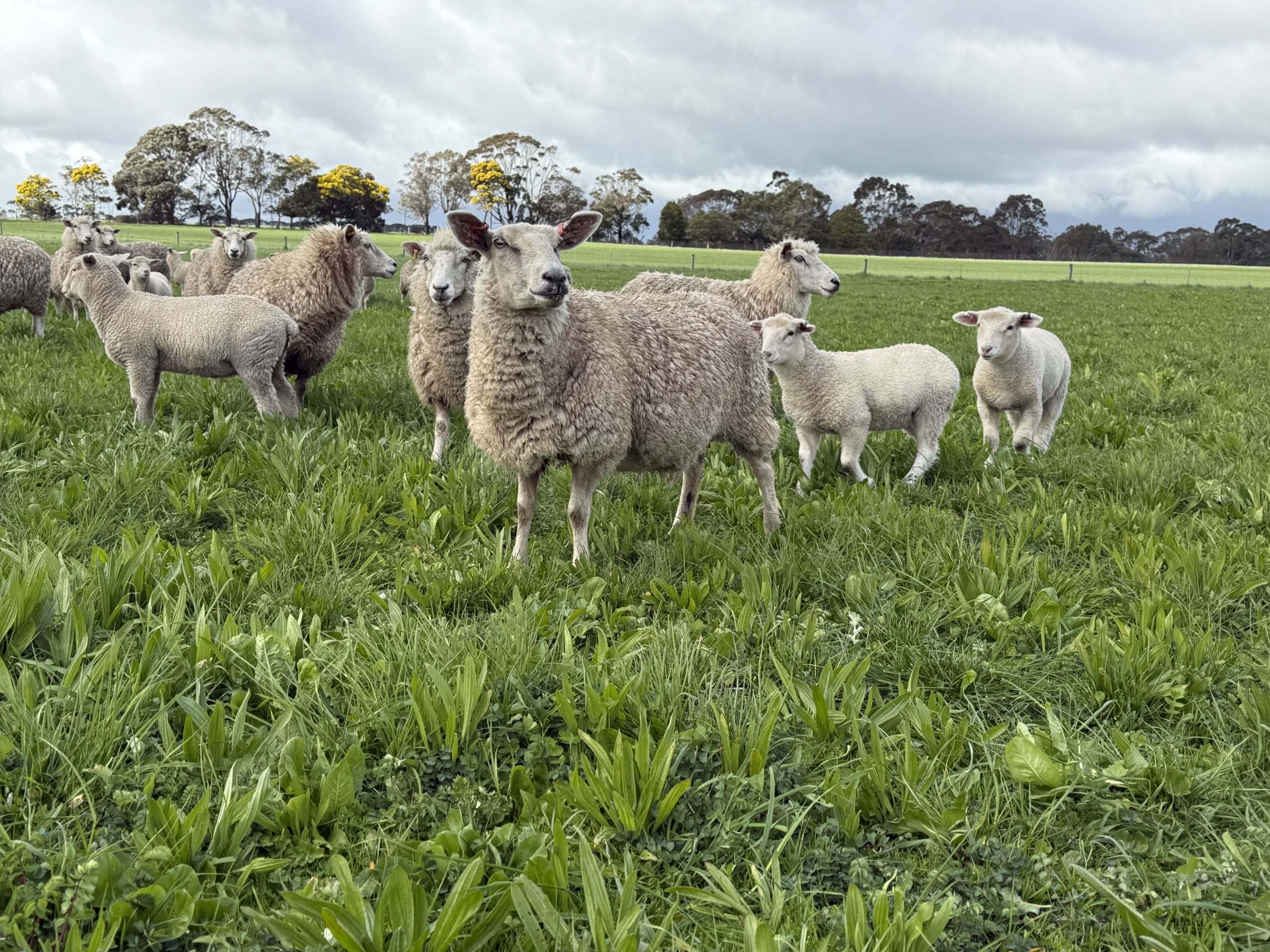
The project will investigate the effect of combining various plant groups (grasses, legumes and herbs) into a multispecies pasture mixture. The three year project is based at the Hamilton SmartFarm.
Timeline
2025 - 2028
Investment
The CRC will co-invest $900,000 in this work, over three years. This will be combined with an additional $4.6 million investment from Agriculture Victoria and the Meat & Livestock Australia’s Donor Company.
Program lead
Vicki Lane

Overview
MultiMix – High performance, methane-mitigating multispecies pastures for the ovine industry is exploring improving pasture resilience and animal productivity.
Program
This project is being completed as part of Program 1: Low Emissions Plant Solutions
Details
Importance
MultiMix addresses the need for more resilient, productive, and sustainable pasture systems in the face of climate change and industry pressure to reduce emissions.
The project aims to achieve:
- increased lamb productivity and reduced methane production
- reduced inputs with lower nitrogen application
- increased pasture longevity and reduced feed gaps
- improved soil health and increased soil organic matter.
Impact
The project aims to deliver improved lamb growth, reduced methane emissions, lower fertiliser inputs, and greater pasture persistence, supporting both environmental and economic outcomes for sheep producers.
Project team
The MultiMix project is led by Agriculture Victoria with support from researchers, producers, and technical specialists from CRC partners Barenbrug, Rumin8 and University of Melbourne.
Pathways to Adoption
MultiMix will share practical findings with producers through field days, fact sheets, events like Sheepvention, and direct engagement with local advisory groups.
Research Timeline
This three-year project includes pasture establishment, grazing trials, ongoing data collection, and knowledge sharing at key milestones.
PhDs
None.
